
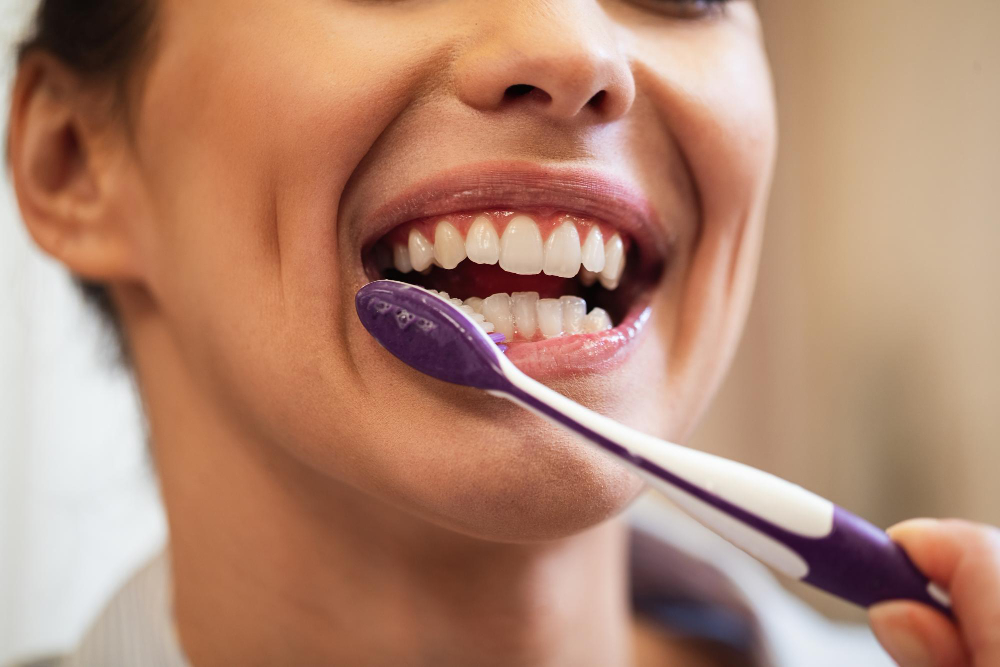
What is Teeth Bleaching?
Teeth bleaching is a popular way to make your teeth look whiter. Many people choose teeth bleaching to remove stains and brighten their smile. In simple terms, teeth bleaching uses safe chemicals to lighten the color of your teeth. Because it is non-invasive, many find it an easy option for a quick smile boost. According to dental experts, teeth bleaching is one of the most common cosmetic dental treatments today.
Common Reasons for Teeth Bleaching
People choose teeth bleaching for many reasons. For example, some want to remove stains from coffee or tea. Others may want to look their best for a special event. Here are some common reasons:
Because teeth bleaching can quickly improve appearance, it is a popular choice for many adults.
How Teeth Bleaching Works
Teeth bleaching uses special gels or solutions. These products contain safe bleaching agents like hydrogen peroxide or carbamide peroxide. When applied, these agents break down stains on the tooth surface. As a result, your teeth look whiter and brighter. Usually, the process takes about 30 to 60 minutes per session. Some treatments may need more than one visit for the best results. According to the American Dental Association, both in-office and at-home methods use similar active ingredients.
Professional vs. At-Home Teeth Bleaching
There are two main ways to bleach your teeth. You can visit a dental office or use at-home kits. Each method has its pros and cons.
Because professional teeth bleaching is supervised, it is often safer for people with sensitive teeth or gums.
Benefits and Risks of Teeth Bleaching
Teeth bleaching offers many benefits. For instance, it can quickly improve your smile and boost your confidence. However, there are some risks to consider as well. Here are the main points:
Because everyone’s teeth are different, results and side effects may vary. The CDC and dental journals recommend following your dentist’s advice for safe teeth bleaching.
Aftercare and Maintenance Tips
After teeth bleaching, it is important to care for your teeth. This helps keep your smile bright for longer. Here are some helpful tips:
Because good habits help maintain results, you can enjoy your brighter smile for months or even years.
Who Should Avoid Teeth Bleaching?
Not everyone is a good candidate for teeth bleaching. For example, some people may have health conditions or dental issues that make bleaching unsafe. You should avoid teeth bleaching if you:
Because safety is important, always talk to your dentist before starting any teeth whitening treatment.
Prevention of Tooth Discoloration
While teeth bleaching can remove stains, it is better to prevent discoloration in the first place. Here are some simple ways to keep your teeth white:
Because prevention is easier than treatment, these habits can help you keep a healthy, bright smile.
In summary, teeth bleaching is a safe and effective way to brighten your smile when done correctly. However, it is important to know the benefits, risks, and aftercare steps. For the best results, consult a dental professional at SRI Dental Clinic for personalized advice on teeth bleaching.