
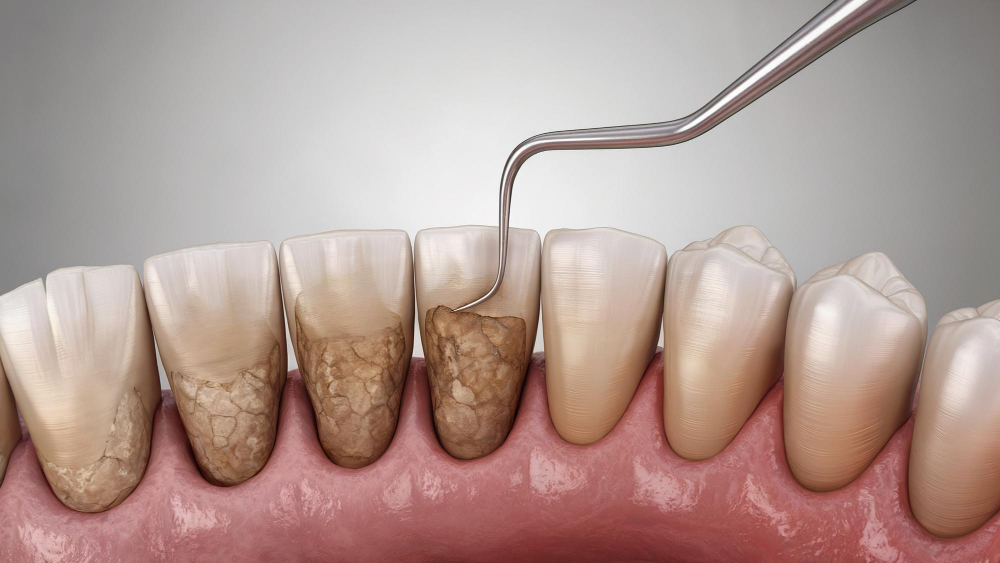
What Are Dental Plaque and Tartar?
Dental plaque and tartar are common problems for many people. Plaque is a soft, sticky film that forms on your teeth every day. It is made up of bacteria, food particles, and saliva. Over time, if you do not remove plaque, it can harden. This hard layer is called tartar, or calculus. Tartar is much harder to remove than plaque. Because of this, it can lead to more serious dental issues.
Usually, plaque forms when bacteria in your mouth mix with sugars from food and drinks. As a result, this mix sticks to your teeth. If you do not brush and floss well, plaque can build up quickly. Eventually, it hardens into tartar, which only a dentist or dental hygienist can remove.
Causes of Dental Plaque and Tartar
Several factors can lead to the buildup of dental plaque and tartar. Understanding these causes can help you protect your teeth. For example, your daily habits and food choices play a big role. Here are the main causes:
Because these causes are common, it is important to pay close attention to your daily oral care routine.
Symptoms and Risks
Often, you may not notice dental plaque and tartar right away. However, there are some signs to watch for. For instance, your teeth may feel fuzzy or rough. You might also see yellow or brown deposits near your gums. Other symptoms include:
If left untreated, dental plaque and tartar can cause bigger problems. For example, they can lead to gum disease, tooth decay, and even tooth loss. According to the CDC, untreated gum disease can also affect your overall health. In some cases, it may increase the risk of heart disease or diabetes complications.
Prevention Tips
Thankfully, you can prevent dental plaque and tartar with a few simple steps. First, good oral hygiene is key. Here are some easy prevention tips:
Because prevention is easier than treatment, following these steps can help keep your teeth and gums healthy.
Diagnosis and Removal
Dentists and dental hygienists can easily spot dental plaque and tartar during a check-up. They may use special tools to look for buildup on your teeth and gums. Sometimes, they may also use X-rays to check for hidden problems.
When it comes to removal, only a dental professional can safely clean away tartar. They use special instruments to gently scrape off the hard deposits. This process is called scaling. For best results, experts like the American Dental Association recommend visiting your dentist every six months. However, your dentist may suggest more frequent visits if you have a higher risk of dental problems.
Conclusion
If you are concerned about plaque or tartar, SRI Dental Clinic is here to help. Schedule a visit today for a gentle check-up and professional cleaning to keep your smile healthy.