
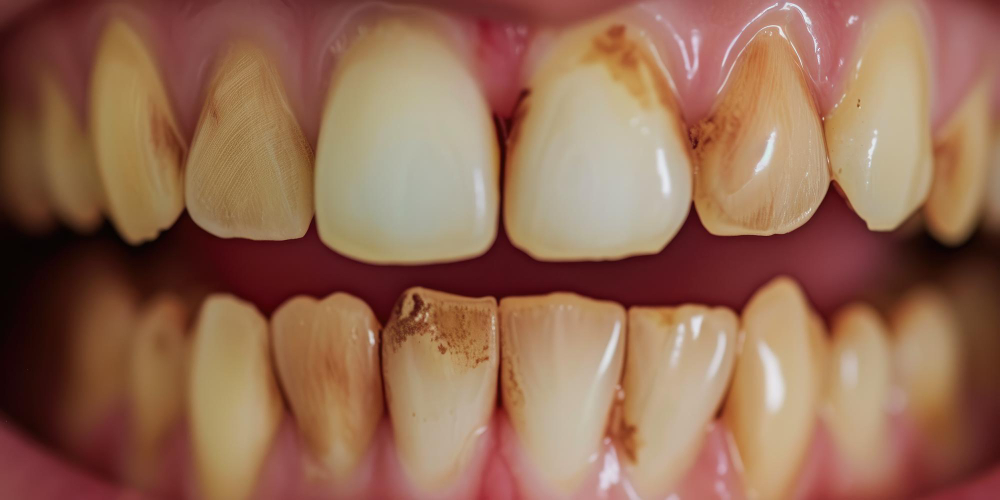
What Is Dental Erosion?
Dental erosion is the gradual loss of tooth enamel. Enamel is the hard outer layer that covers each tooth. When enamel wears away, teeth can become sensitive and weak. In many cases, dental erosion happens slowly, so you might not notice it at first. However, over time, this loss can lead to bigger oral health problems. According to the World Health Organization, protecting tooth enamel is important for lifelong dental health.
Common Causes of Dental Erosion
Many things can cause dental erosion. For example, acids in foods and drinks are a main reason. But other habits and health issues can play a role too. Below are some common causes:
Additionally, living in areas with low water fluoride can increase risk. The Centers for Disease Control and Prevention notes that fluoride helps protect enamel.
Recognizing the Symptoms of Dental Erosion
Early signs of dental erosion can be easy to miss. Still, knowing what to look for helps you act quickly. Common symptoms include:
Sometimes, you may also notice that fillings stand out more as the enamel around them wears away. If you see these changes, it is wise to talk to your dentist soon.
How Dental Erosion Is Diagnosed
Often, dentists spot dental erosion during regular checkups. They look for signs of enamel loss and ask about your eating and drinking habits. Sometimes, they use special tools to measure enamel thickness. X-rays may also help show how much enamel is left. In some cases, your dentist might ask about acid reflux or other health problems. Early diagnosis is key, as it helps prevent further damage and keeps your teeth strong.
Effective Ways to Protect Tooth Enamel
Protecting tooth enamel is possible with a few simple steps. For instance, making small changes in your daily routine can help a lot. Here are some effective ways:
Moreover, your dentist might suggest special toothpaste or treatments to strengthen enamel. These steps can help keep your teeth healthy for years.
Prevention Tips for Dental Erosion
Preventing dental erosion is easier than treating it. Therefore, following good oral health habits is important. Try these prevention tips:
Finally, remember that regular dental visits help catch problems early. Protecting your tooth enamel now can prevent dental erosion and keep your smile bright.
Conclusion
If you notice signs of dental erosion or have concerns about your enamel, schedule a visit at SRI Dental Clinic. Our team can help you protect your teeth and keep your smile healthy.