
What Is Oral Cancer?
Oral cancer is a disease that starts in the mouth or throat. It can affect the lips, tongue, gums, or the inside of the cheeks. Because it can grow quickly, oral cancer screening is very important. With early detection of oral cancer, doctors can treat it before it spreads. According to the World Health Organization, oral cancer is a serious health problem worldwide.
Why Early Detection Matters
Early detection of oral cancer can save lives. When doctors find cancer early, treatment often works better. In many cases, people have a higher chance of recovery. Also, early treatment can mean less pain and fewer problems. For this reason, regular oral cancer screening helps catch changes before they become serious.
Common Symptoms of Oral Cancer
Sometimes, oral cancer does not cause pain at first. However, you should watch for these signs:
If you notice any of these symptoms, you should see a dentist or doctor soon. Early action can make a big difference.
Risk Factors for Oral Cancer
Some things can raise your risk of oral cancer. For example, using tobacco in any form is a major risk. Drinking alcohol often also increases risk. In addition, infection with the human papillomavirus (HPV) can play a role. Other oral cancer risk factors include:
Knowing these risk factors can help you take steps for oral cancer prevention.
How Oral Cancer Screening Works
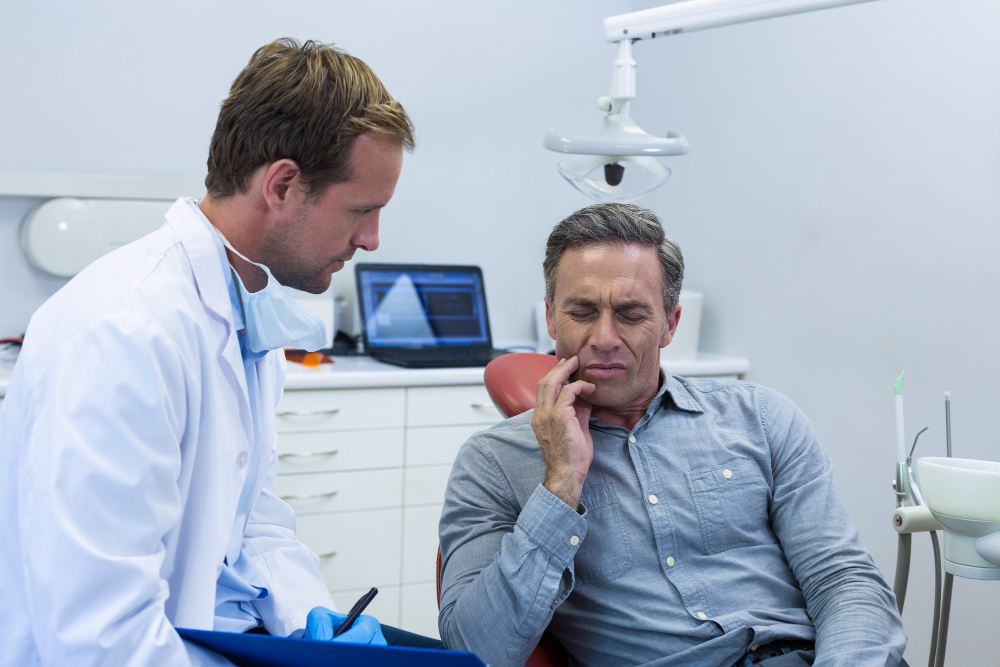
During an oral cancer screening, a dentist or doctor checks your mouth for signs of cancer. First, they look at your lips, tongue, gums, and cheeks. Next, they may feel your neck and jaw for lumps. Sometimes, they use a special light or dye to spot unusual areas. Most screenings are quick and painless. If the doctor finds anything unusual, they may suggest more tests.
Recommended Screening Guidelines
Experts suggest that adults get regular oral cancer screening, especially if they have risk factors. For most people, a dentist will check for signs of cancer during routine dental visits. The American Cancer Society recommends that people over age 20 have a dental exam every three years. After age 40, you should have a dental exam every year. However, people with higher risk may need screenings more often.
Prevention Tips for Oral Cancer
There are many ways to lower your risk of oral cancer. For better oral cancer prevention, you can:
These steps can help keep your mouth healthy and lower your risk.
Lifestyle Changes to Lower Risk
Making small changes in your daily life can help prevent oral cancer. For instance, if you smoke, quitting can greatly reduce your risk. If you drink alcohol, try to cut back. Also, using sunscreen on your lips can protect you from sun damage. Staying active and eating well can boost your immune system. Finally, regular oral cancer screening helps catch problems early, giving you the best chance for good health.