
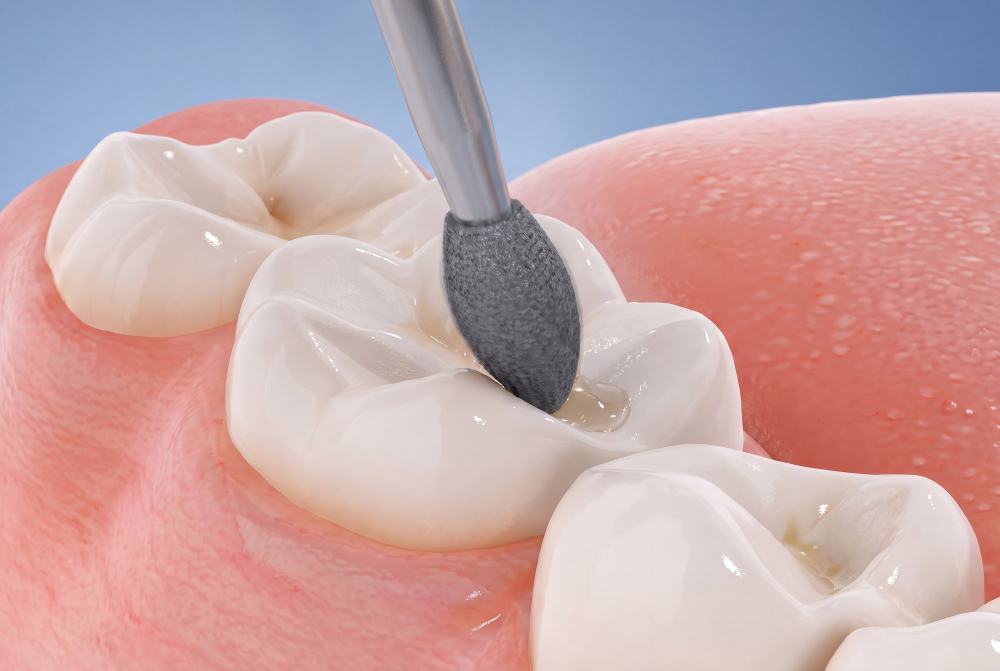
What Are Dental Fillings?
Dental fillings are materials that dentists use to repair teeth. When you have a cavity or a small hole in your tooth, a filling helps restore its shape and function. In fact, dental fillings stop decay from spreading. They also help protect the tooth from further damage. According to the American Dental Association (ADA), fillings are a common and safe way to treat tooth decay. Many people need dental fillings at some point in their lives.
Types of Dental Fillings
There are several types of dental fillings. Each type has its own benefits and uses. Your dentist will help you choose the best dental fillings for cavities based on your needs. Below are the main types:
The Dental Filling Procedure
Getting a dental filling is a simple process. Dentists follow a few easy steps to restore your tooth. Here is what you can expect during the dental filling procedure:
Most dental filling procedures take less than an hour. You can usually eat and drink soon after the numbness wears off.
When Are Dental Fillings Recommended?
Dental fillings are recommended in several situations. Sometimes, you may notice signs that you need a filling. Other times, your dentist may find a problem during a check-up. Here are common reasons for needing dental fillings:
If you live in a city like New York or Los Angeles, dental fillings are widely available. Many clinics offer quick and gentle care for all ages.
Benefits and Considerations
Dental fillings offer many benefits. For example, they stop cavities from getting worse. They also restore your tooth’s shape, making it easier to chew. In addition, fillings can help prevent pain and infection. However, there are some things to consider:
According to the CDC, regular dental visits help catch problems early. This means you can get the right treatment before issues become serious.
Prevention and Oral Care Tips
Good oral care can help you avoid the need for dental fillings. While fillings are safe, it is better to prevent cavities in the first place. Here are some tips to keep your teeth healthy:
Following these steps can lower your risk of cavities. As a result, you may need fewer dental fillings in the future. The World Health Organization (WHO) also recommends regular dental care for people of all ages.
Conclusion
If you think you might need a dental filling or have questions about your options, SRI Dental Clinic is here to help. Schedule a visit today to keep your smile healthy and strong.